
Today, 16 June, is commemorated in South Africa as a national public holiday. On this day in 1976 exactly 50 years ago, black school children in Soweto township rose up in protest against the apartheid state. They were demanding an end to the inferior and racialised schooling that they and their families could clearly see would ill-equip them for decent economic opportunities and dignity into their adulthood. The peaceful protests of these youth met with shocking force and deadly gunfire from the security forces, and ignited a movement throughout the country that signaled the “beginning of the end” of apartheid.
The dreams of those youth 50 years ago is stil very much a work in progress. The promise of school as a safe, nurturing sanctuary where children can learn without fear is still far too scarce in the under-resourced communities across South Africa.
That is what makes our work at The Kusasa Academy so important: the safe space, excellence of education and the best start possible that we provide to children from the poorest communities is exactly what those brave youth 50 years ago fought for.
Today, with this as our context, we bring you another insight into the breadth and depth of our educational model …
At The Kusasa Academy, education does not stop at the classroom door.
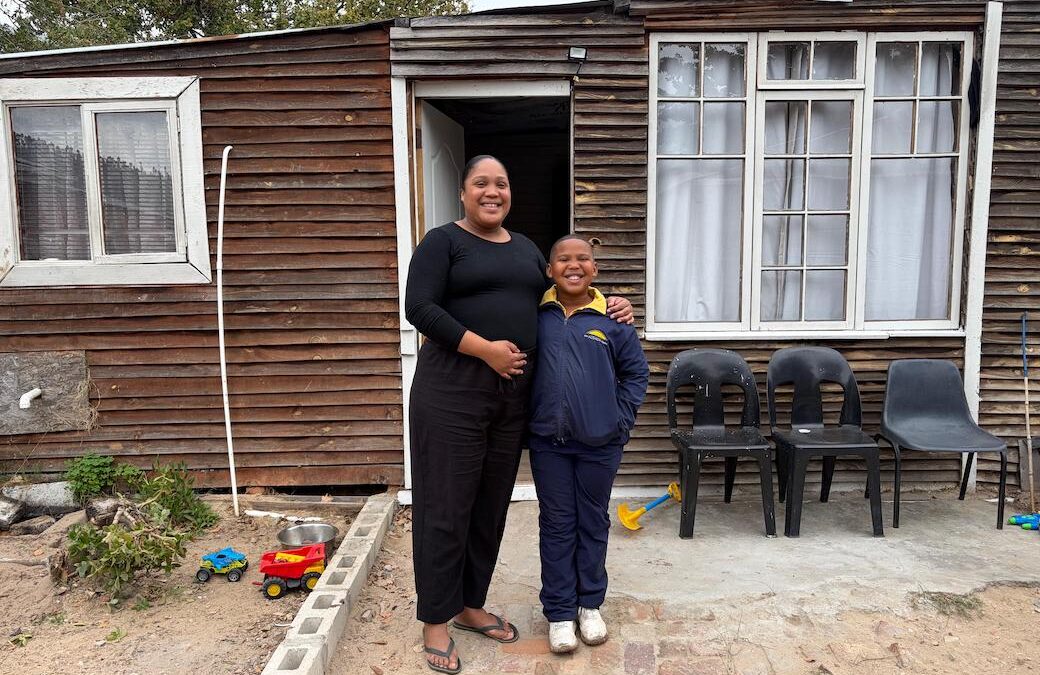
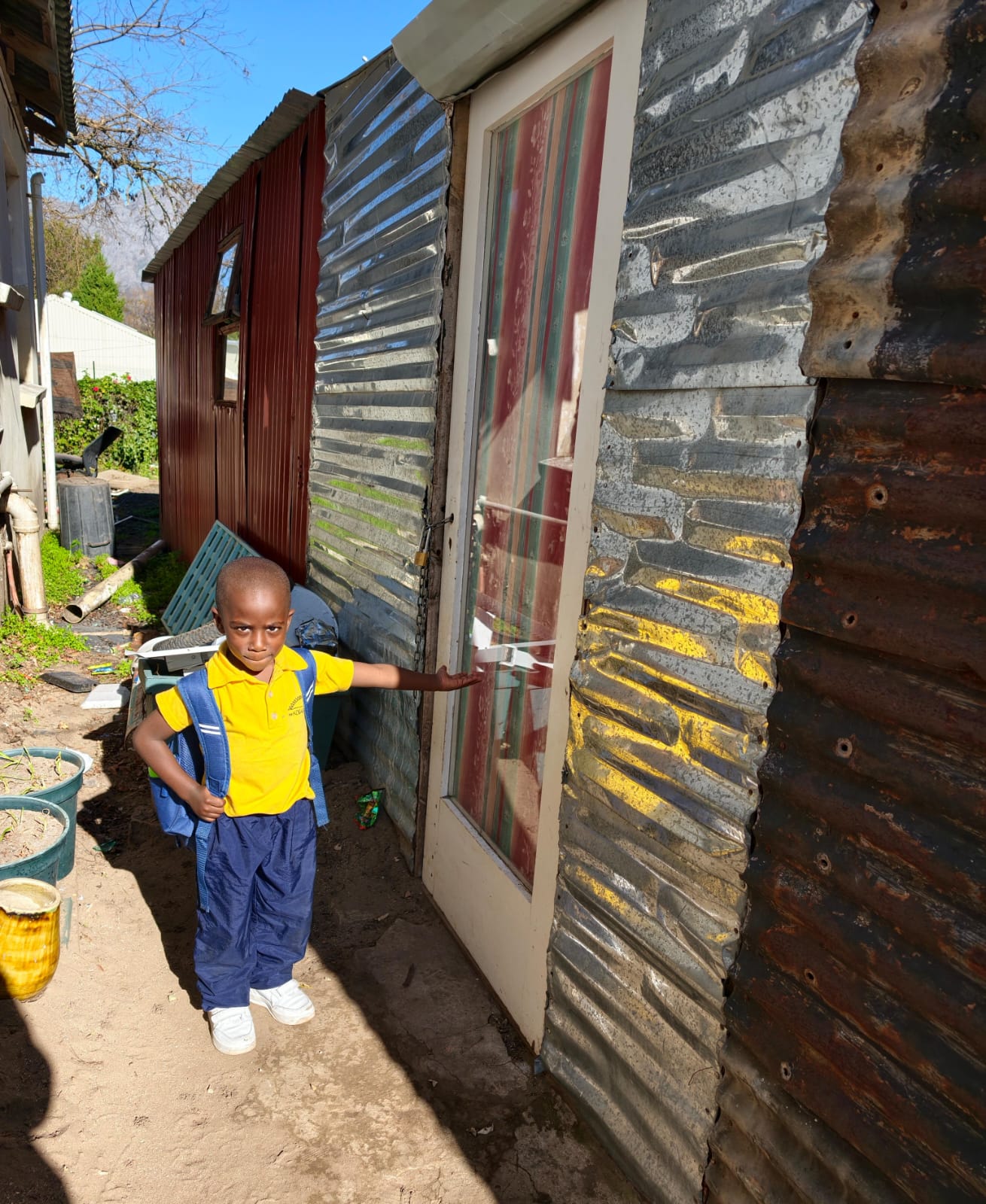 One of the important ways our teachers support learners is through home visits. These visits help us understand our learners better and build strong relationships with their families.
When teachers visit learners in their homes, they get a clearer picture of each child’s circumstances, strengths, challenges, and support system. This helps them respond more thoughtfully to learners’ academic, emotional, and social needs at school.
Home visits also give us a chance to strengthen the relationship between the school and families. Many parents feel more at ease sharing their hopes, concerns, and goals for their children in their own homes. These conversations build trust and help make sure everyone is working together in support of the learner.
For learners, a teacher’s visit sends a simple but important message: “You matter, and we care about you.” Seeing a teacher take the time to come to their home can strengthen a learner’s confidence, sense of belonging, and motivation to learn.
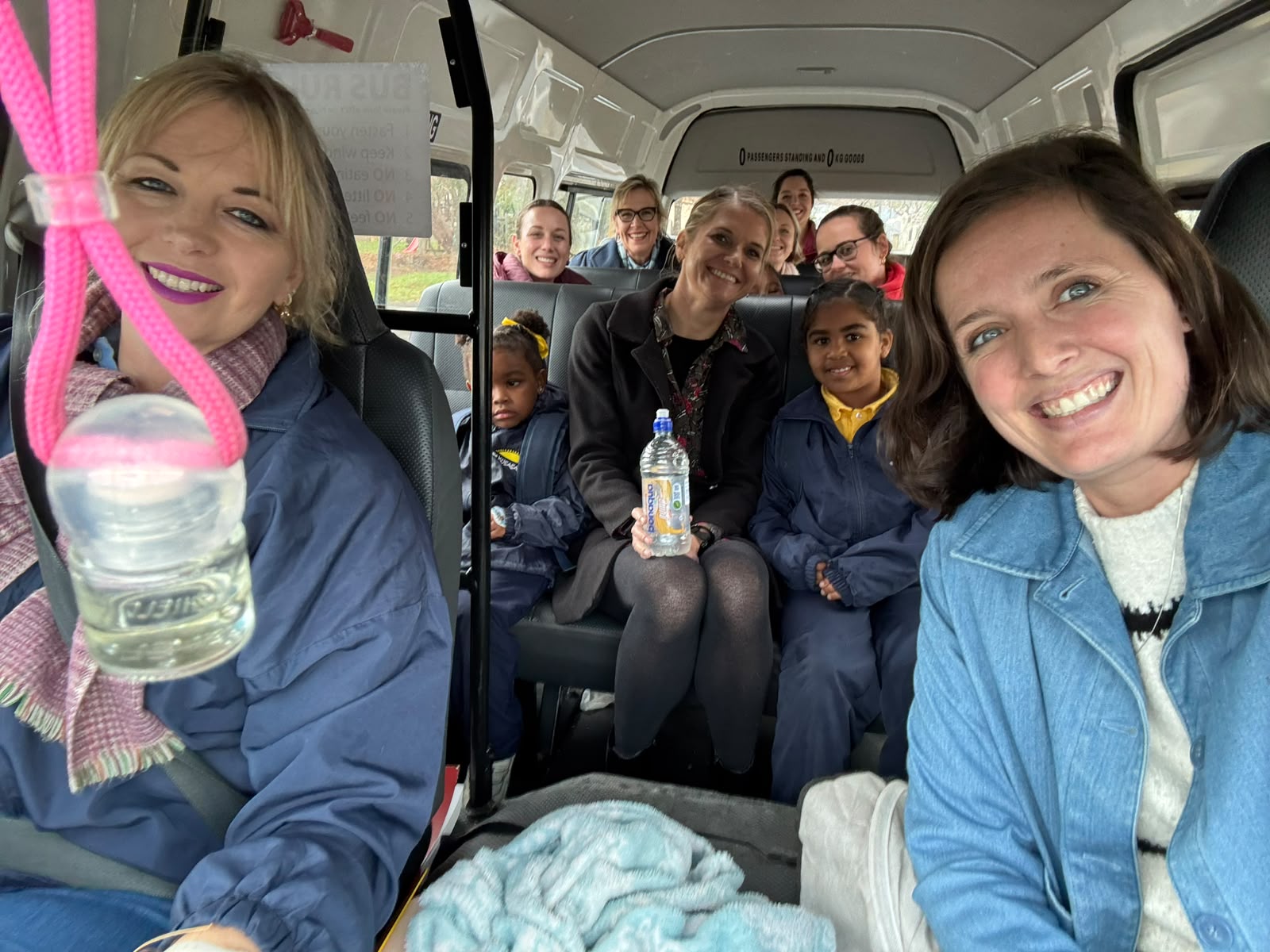 An important aspect of our home visit programme is that learners travel with staff members to their homes. This allows teachers to experience the route learners take every day and better understand the realities of their daily lives. We gain valuable insight into learners’ afternoon routines, the challenges families face, and the level of supervision available after school. In many homes, parents and caregivers are working long hours, making supervision difficult. Due to the challenges of serious violence in their communities, many children spend their afternoons indoors with access to devices and cell phones but limited opportunities for structured or outdoor supervised activities.
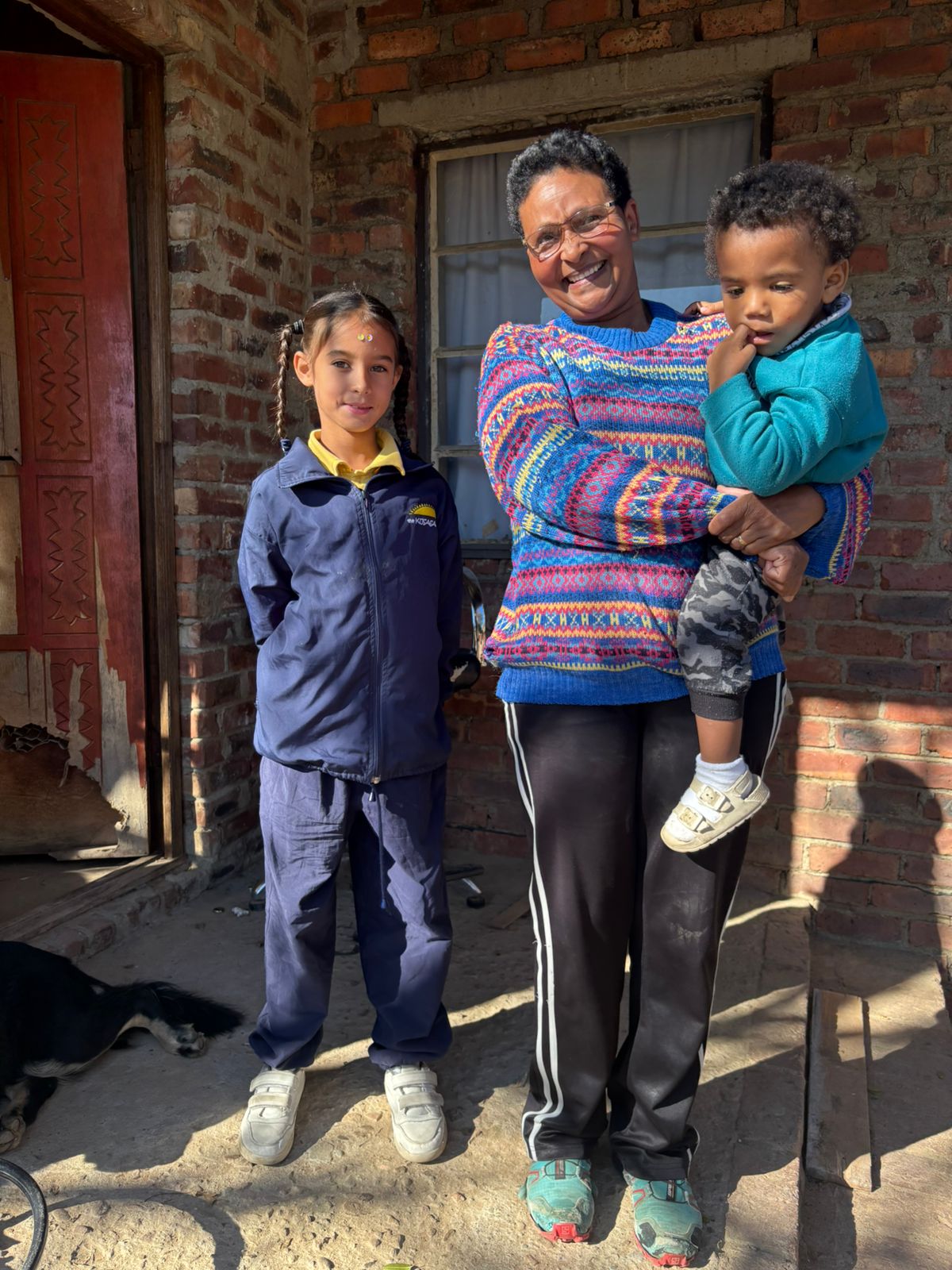 We have also found that very few learners have dedicated desks, tables, or quiet study spaces where they can comfortably complete homework. This reality is one of the reasons Kusasa Academy has adopted a no-homework approach, ensuring that learning takes place within a supportive school environment where all learners have equitable access to resources and guidance.
Home visits are a constant reminder that every learner’s circumstances are different. Some children have strong support systems and stable home environments, while others live in overcrowded homes, share limited space with extended family, or have restricted access to basic resources. Understanding these realities helps our staff respond with empathy and give learners the support they need.
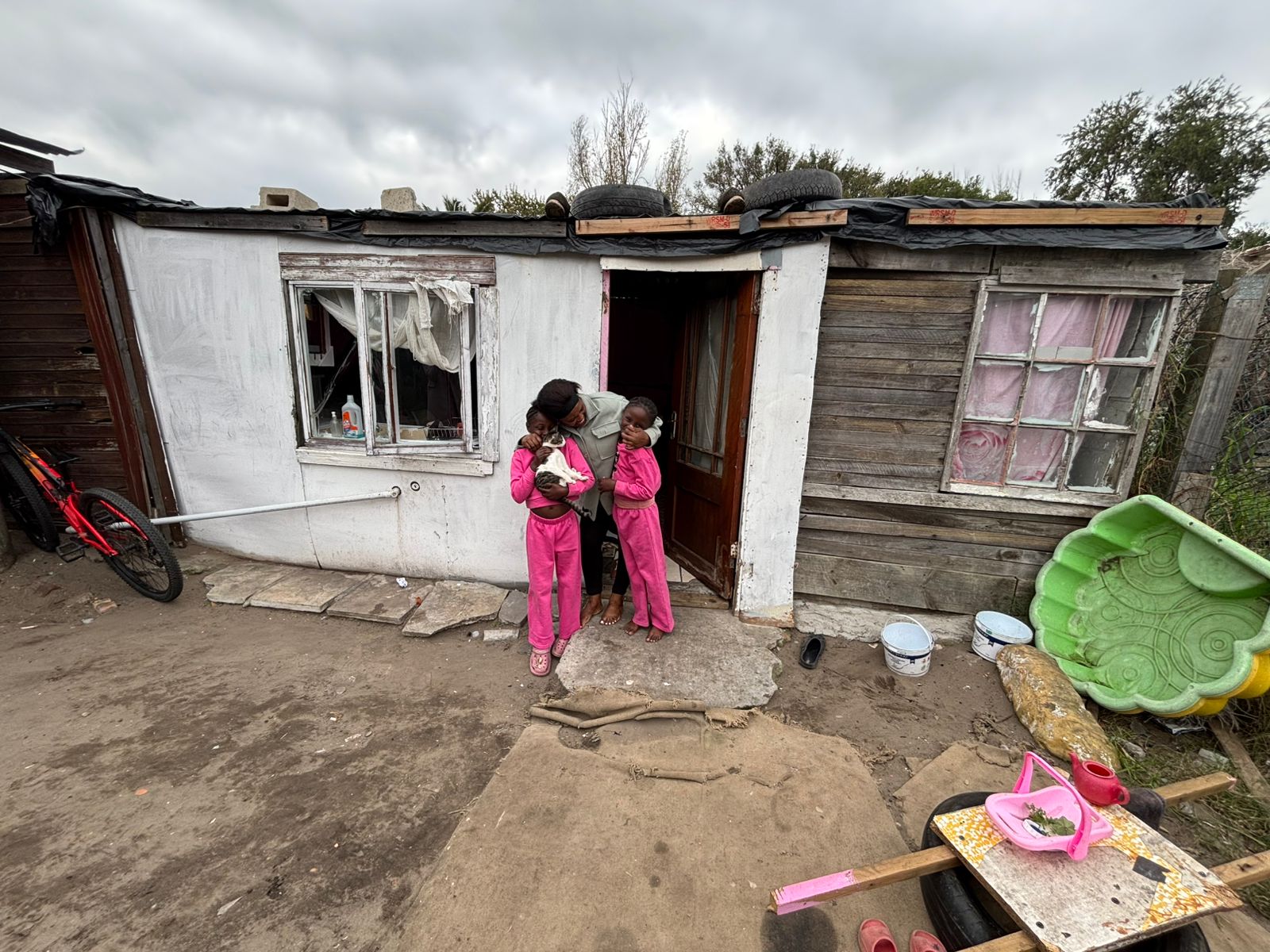 Huge thanks must go to our teaching staff who carry out these visits. They give their time, energy, and care to better understand the lives of our learners. Their commitment to building meaningful relationships with families and standing alongside every child is a big part of what makes Kusasa Academy special.
Donors, thank you for supporting an approach to education that recognises that lasting change happens when schools, families, and communities work together. Every home visit strengthens these connections and helps create better opportunities for learners.
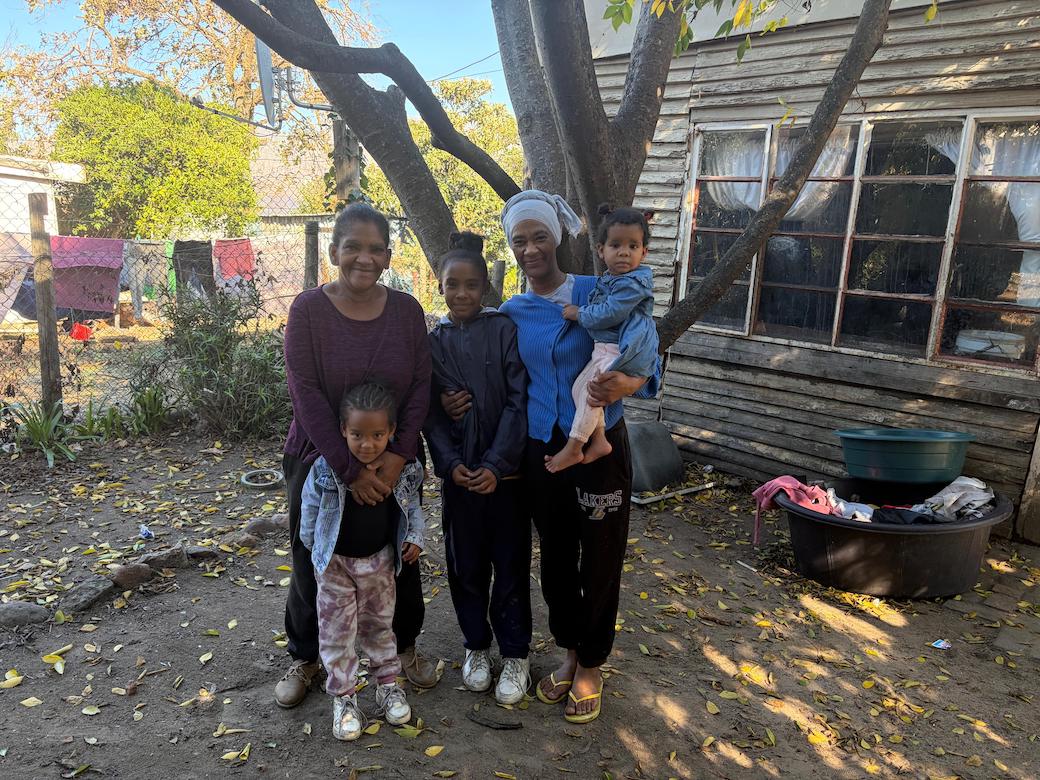
Together, we are helping build stronger futures, one child, one family, and one home visit at a time.
